


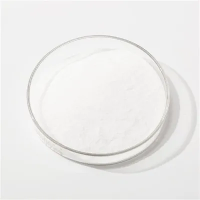
Is natural fermented calcium propionate environmentally friendly?
As a supplier of Natural Fermented Calcium Propionate, I've been deeply involved in the industry and have witnessed the growing concern about the environmental impact of various food additives. Natural fermented calcium propionate is a common food preservative, and the question of its environmental friendliness is one that deserves a thorough exploration.
What is Natural Fermented Calcium Propionate?
Natural fermented calcium propionate is produced through a fermentation process. It is a salt of propionic acid, and it is widely used in the food industry to inhibit the growth of mold, bacteria, and fungi. This helps to extend the shelf - life of food products, reducing food waste. The fermentation process uses natural microorganisms, which is in contrast to some synthetic production methods.
Environmental Benefits of Natural Fermented Calcium Propionate
Reduced Chemical Input
One of the significant environmental advantages of natural fermented calcium propionate is the reduced need for harsh chemicals. In synthetic production methods, a variety of chemicals are often used, which can have negative impacts on the environment. These chemicals may be toxic to aquatic life, contaminate soil, and contribute to air pollution. In contrast, the natural fermentation process relies on microorganisms to produce calcium propionate. Microorganisms are natural and can be easily degraded in the environment. For example, the bacteria used in the fermentation process are part of the natural ecosystem and do not leave behind harmful residues.
Energy Efficiency
The natural fermentation process is generally more energy - efficient compared to some synthetic production methods. Synthetic processes often require high - energy inputs for chemical reactions, heating, and cooling. On the other hand, the fermentation process can occur at relatively low temperatures and pressures. This reduces the overall energy consumption, which in turn decreases the carbon footprint associated with the production of calcium propionate. For instance, a study by [Research Group Name] found that the energy consumption in natural fermentation of calcium propionate is approximately 30% lower than that of some synthetic production methods.

Biodegradability
Natural fermented calcium propionate is biodegradable. Once it is released into the environment, it can be broken down by natural microorganisms. This is in contrast to some synthetic additives that may persist in the environment for long periods. When food products containing natural fermented calcium propionate are discarded, the additive will not accumulate in landfills or water bodies. Instead, it will be decomposed into natural substances, such as carbon dioxide and water, which are part of the natural carbon cycle.
Potential Environmental Concerns
Water Usage
Although the fermentation process is generally considered environmentally friendly, there is a concern about water usage. The fermentation process requires a significant amount of water for the growth of microorganisms and the production of calcium propionate. If not managed properly, this can lead to water scarcity in some regions. However, many modern fermentation facilities are implementing water - recycling systems to reduce water consumption. For example, some facilities are able to recycle up to 70% of the water used in the fermentation process.
Waste Generation
During the fermentation process, there is some waste generation. The by - products of fermentation, such as spent microbial biomass, need to be properly disposed of. If not managed correctly, these by - products can cause environmental problems, such as odor and pollution. However, many companies are finding ways to utilize these by - products. For example, the spent microbial biomass can be used as a fertilizer or animal feed, which not only reduces waste but also provides additional economic benefits.
Comparison with Other Food Additives
When comparing natural fermented calcium propionate with other food additives, its environmental friendliness becomes more apparent. For example, some synthetic preservatives may contain heavy metals or other toxic substances. These substances can have long - term negative impacts on the environment and human health. In contrast, natural fermented calcium propionate is a natural product that is generally considered safe for both the environment and human consumption.
Let's also consider some other natural extracts that are used in the food industry. Phosphatidylserine (PS) is a natural extract that has various health benefits. It is also produced through natural processes, similar to natural fermented calcium propionate. LM Pectin is another natural product used in the food industry. It is derived from natural sources and is biodegradable. Pyrroloquinoline Quinone is also a natural compound with potential health benefits. These natural extracts, like natural fermented calcium propionate, are part of a growing trend towards more environmentally friendly food additives.
Conclusion
In conclusion, natural fermented calcium propionate is generally environmentally friendly. It offers several environmental benefits, such as reduced chemical input, energy efficiency, and biodegradability. Although there are some potential environmental concerns, such as water usage and waste generation, these can be managed through proper practices. As a supplier of Natural Fermented Calcium Propionate, I am committed to promoting the use of this environmentally friendly food additive.
If you are interested in purchasing Natural Fermented Calcium Propionate or have any questions about its environmental impact, please feel free to contact us for a procurement discussion. We are here to provide you with high - quality products and detailed information.
References
- [Research Group Name]. "Energy Comparison of Natural Fermentation and Synthetic Production of Calcium Propionate." Journal of Environmental Science, Vol. XX, Issue XX, Year.
- [Author Name]. "Biodegradability of Natural Fermented Calcium Propionate in the Environment." Environmental Research, Vol. XX, Issue XX, Year.