

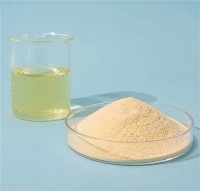


Modified citrus pectin (MCP) is a processed form of pectin derived from citrus peel. It is used in dietary supplement formulations and has attracted research interest because of its modified molecular structure and potential biological properties.
However, when evaluating MCP for products intended for pregnant consumers, manufacturers and ingredient buyers need to distinguish between general research on MCP and evidence specifically related to pregnancy safety.
1. What Is Modified Citrus Pectin?
Citrus pectin is a naturally occurring polysaccharide found in the cell walls of citrus fruits. Modified citrus pectin undergoes processing to alter certain structural characteristics, including its molecular weight and degree of esterification, depending on the manufacturing process.
These properties can influence the ingredient's solubility, functionality, and suitability for different formulations.
For B2B buyers, key parameters to review include:
- Source: Citrus peel and the supplier's raw material specifications.
- Galacturonic acid content: An indicator used to characterize pectin composition.
- Molecular weight: Important when evaluating the characteristics of modified pectin.
- Degree of esterification (DE): A structural parameter relevant to pectin classification and functionality.
- Solubility and appearance: Useful for assessing handling and formulation requirements.
- Purity and contaminant limits: Important for raw material quality evaluation.
These parameters should be assessed against the buyer's intended application and applicable product requirements.
2. Is Modified Citrus Pectin Safe During Pregnancy?
Current evidence specifically addressing the safety of modified citrus pectin during pregnancy is limited. Research involving non-pregnant adults, laboratory models, or animals cannot establish that MCP is safe for pregnant individuals or developing fetuses.
Its classification as a soluble dietary fiber does not, by itself, demonstrate pregnancy safety. Likewise, a low molecular weight specification or a high purity grade should not be interpreted as proof that an ingredient is suitable for use during pregnancy.
Pregnancy-related safety assessments may require consideration of the ingredient's composition, intended intake, available toxicological data, potential interactions, and evidence relevant to maternal and fetal health.
Consumers who are pregnant or planning to become pregnant should consult a qualified healthcare professional before using MCP-containing supplements. Manufacturers should avoid making pregnancy safety claims unless adequate evidence and applicable regulatory requirements support them.
3. Why Ingredient Quality and Testing Matter
For dietary supplement manufacturers, ingredient quality documentation is an important part of supplier evaluation. However, quality testing and clinical safety evidence serve different purposes.
A supplier's quality documentation may help buyers assess whether an MCP ingredient meets agreed specifications. It does not independently establish that the ingredient is safe for every population or intended use.
Before sourcing modified citrus pectin, buyers should consider requesting the following information:
| Quality item | What buyers should check |
|---|---|
| Certificate of Analysis (CoA) | Batch-specific results against agreed specifications |
| Galacturonic acid content | Declared content and analytical method, where available |
| Molecular weight | Specification range and test method |
| Degree of esterification | Declared value or range and supporting test method |
| Heavy metals | Test results against applicable limits |
| Microbiological limits | Results relevant to the intended application |
| Moisture and pH | Values used to assess product consistency and handling |
| Traceability | Batch identification and relevant raw material records |
Buyers should also confirm the applicable food or supplement regulations in their target markets and determine whether additional documentation or testing is required.
4. Does a Higher Purity Grade Mean Greater Pregnancy Safety?
Not necessarily. A higher declared purity level may indicate a different compositional specification, but it does not automatically demonstrate better clinical safety or suitability for pregnant consumers.
When comparing MCP grades, buyers should review the definition of purity, the analytical method used, the identity of the remaining components, and the relevant contaminant specifications.
For example, a supplier offering multiple MCP grades should clearly explain how those grades differ in measurable parameters. Buyers can then select a grade according to formulation needs, product specifications, and applicable regulatory requirements rather than relying on purity percentage alone.
5. What Should Manufacturers Consider When Developing MCP-Based Products?
Companies developing dietary supplements or other products containing modified citrus pectin should evaluate both ingredient quality and the evidence supporting the finished product's intended use.
Key considerations include:
- Ingredient specifications: Confirm that the selected grade meets formulation and purchasing requirements.
- Safety assessment: Review relevant toxicological and human data, including whether the evidence applies to the intended consumer population.
- Regulatory compliance: Check ingredient status, labeling rules, and permitted claims in the target market.
- Supplier qualification: Assess quality management, batch consistency, traceability, and access to supporting documentation.
- Claims review: Avoid unsupported statements concerning pregnancy safety, disease prevention, or treatment.
These steps help buyers make better-informed sourcing decisions and support responsible product development.
6. Sourcing Modified Citrus Pectin from Gold Kropn
Zhejiang Gold Kropn Bio-technology Co., Ltd. supplies modified citrus pectin for B2B customers evaluating ingredient specifications for their product development and sourcing programs.
Available grades include standard, high-purity, and super-high-purity options, subject to the specifications provided for each product. Buyers can review the relevant product information and contact our team to discuss technical requirements and request available quality documentation.
Explore our Modified Citrus Pectin Manufacturing Process and Quality Control pages for more information about our production and quality management approach.
For specification details, batch documentation, or customized requirements, please contact our team.