




Modified Citrus Pectin (MCP) is a functional ingredient supplied in powder form for dietary supplements, functional foods and other formulated products. Proper storage helps protect powder quality, reduce moisture exposure and maintain consistent handling performance during warehousing and production.
For manufacturers, importers, and ingredient buyers, understanding how to store Modified Citrus Pectin is essential. As an MCP manufacturer, we explain the recommended storage conditions, how to store opened and unopened products, shelf life, and practical handling guidelines to help you maintain product quality during storage and use.
1. What Are the Recommended Storage Conditions for Modified Citrus Pectin?
Modified Citrus Pectin Powder should generally be stored in a cool, dry and well-ventilated area, away from direct sunlight, excessive heat and moisture.
Pectin powders can absorb moisture from the surrounding environment. Exposure to humid conditions may cause clumping and affect powder flow, making the ingredient more difficult to handle during weighing, blending and formulation.
To maintain appropriate storage conditions, follow these basic practices:
- Control moisture exposure: Keep MCP in its original sealed packaging and avoid storing it near water sources or in damp areas.
- Avoid direct sunlight: Store the product away from windows and other sources of prolonged direct light.
- Maintain a suitable warehouse environment: Follow the temperature and humidity limits specified in the product's technical documentation.
- Keep the storage area clean: Protect the ingredient from dust, foreign materials and potential cross-contamination.
- Follow product-specific instructions: Do not assume that all MCP grades have identical storage requirements.
For commercial use, the manufacturer's label and batch-specific documentation should take precedence over general storage recommendations.
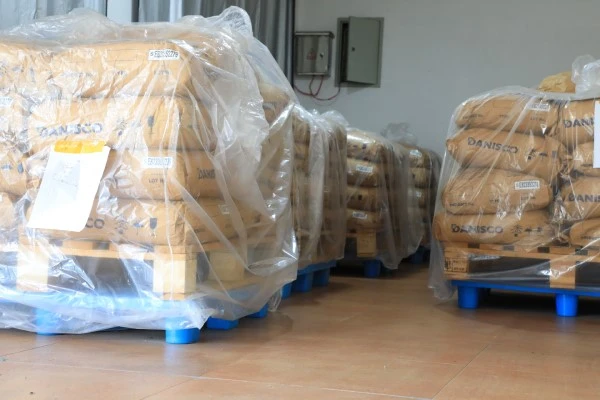
2. How to Store Unopened and Opened MCP Powder
Storage practices differ depending on whether the package has been opened. Maintaining package integrity is particularly important for bulk MCP supplied to ingredient manufacturers and supplement producers.
Storage of Unopened Modified Citrus Pectin
Before use, keep MCP in its original packaging under the recommended storage conditions.
Check the following points during warehouse storage:
- Inspect the outer packaging for tears, punctures, damaged seals or signs of moisture exposure.
- Keep bags and drums away from damp floors, leaking pipes and areas subject to condensation.
- Retain the original product label and batch identification.
- Store products according to their manufacturing dates and expiration dates.
- Use a first-in, first-out (FIFO) inventory system where appropriate.
For bulk purchases, buyers should also confirm that the packaging configuration is suitable for their warehouse conditions, transportation arrangements and planned consumption volume.
Storage of Opened Modified Citrus Pectin
Once the package has been opened, the powder may be more exposed to moisture and environmental contaminants.
To reduce these risks:
- Open the package only when the material is needed.
- Use clean, dry sampling tools and handling equipment.
- Reseal the inner bag or container promptly after each use.
- Avoid leaving the powder exposed to ambient air for extended periods.
- Do not return unused material to the original package if it may have been contaminated.
- Record the opening date when required by your internal quality procedures.
An opened package should not automatically be assigned the same storage period as an unopened one. Follow the manufacturer's instructions and your company's established procedures for handling opened ingredients.
3. What Is the Shelf Life of Modified Citrus Pectin?
The shelf life of Modified Citrus Pectin depends on the product specification, packaging, manufacturing controls and storage conditions.
Gold Kropn lists a shelf life of 24 months for its specified MCP product. Buyers should confirm the applicable shelf life, manufacturing date and expiration date against the relevant product label and batch documentation.
To manage MCP inventory effectively, purchasing and quality teams should:
- Record the batch number, receipt date and expiration date.
- Keep the product identification and accompanying quality documents accessible.
- Review inventory regularly to identify products approaching expiration.
- Avoid using expired material without an appropriate quality assessment and authorization.
- Follow the manufacturer's instructions if the product has experienced abnormal storage conditions.
Shelf life and storage conditions should be considered together. A product stored outside its recommended conditions may require additional assessment even if its stated expiration date has not passed.
4. How Can Improper Storage Affect MCP Powder Quality?
Improper storage may affect the physical condition and handling characteristics of Modified Citrus Pectin Powder.
Moisture Absorption and Clumping
Exposure to high humidity may cause powder particles to absorb moisture and form clumps. This can affect powder flow and make accurate weighing or uniform blending more difficult.
Contamination Risks
Damaged packaging, unclean handling equipment and prolonged exposure to the surrounding environment may increase the risk of foreign-material contamination.
Changes in Appearance or Handling Performance
Unexpected changes in color, odor, texture or powder flow may indicate that further investigation is needed. However, appearance alone cannot establish whether a batch meets its technical specifications.
If MCP has been exposed to moisture, unusual temperatures or damaged packaging, isolate the affected material when appropriate and consult the quality team. Evaluation should be based on the product specification, relevant test results and established quality procedures rather than visual inspection alone.
5. Storage and Handling Tips for Bulk MCP Buyers
For B2B buyers, proper storage begins before the ingredient reaches the production facility. Packaging selection, transportation conditions and receiving inspection all contribute to effective inventory management.
Check Packaging Before Acceptance
Inspect the delivered bags, drums or cartons for damage, compromised seals and visible signs of moisture exposure. Compare product labels and batch identification with the purchase order and accompanying documentation.
Plan Storage According to Order Volume
Choose a packaging format that matches the expected usage rate, available warehouse space and production schedule. Ordering quantities that can be managed within the recommended shelf life can help reduce inventory pressure.
Maintain Batch Traceability
Keep batch numbers, receipt records, expiration dates and relevant Certificates of Analysis (COAs) linked to the corresponding inventory. This makes it easier to identify and assess specific batches if a quality concern arises.
Protect the Product During Internal Handling
When transferring MCP from the warehouse to the production area, minimize unnecessary exposure to humidity and keep the material in suitable, clean containers. Follow the site's established procedures for weighing, sampling and material identification.
Review Storage Requirements Before Purchasing
Before placing a bulk order, buyers should confirm the product's shelf life, recommended storage conditions, packaging configuration and available batch documentation with the supplier.
These checks help purchasing and quality teams establish clear requirements before the material enters their production process.
6. Frequently Asked Questions About Modified Citrus Pectin Storage
Q1. Should Modified Citrus Pectin be refrigerated?
Refrigeration is not automatically required for MCP powder. Follow the storage instructions provided by the manufacturer. If refrigeration is specifically required for a particular product, appropriate controls should be established to prevent condensation when the package is moved between environments.
Q2. How should Modified Citrus Pectin be stored after opening?
Keep the powder in its original packaging whenever practical, reseal it promptly after use, and store it in a cool, dry area. Use clean, dry tools and follow the manufacturer's instructions for opened material.
Q3. Can Modified Citrus Pectin Powder be used if it has formed clumps?
Clumping may indicate moisture exposure, but it does not by itself establish whether the product is acceptable or unacceptable. Check the packaging and storage history, then consult the quality team to determine whether further testing is necessary before use.
Q4. What should buyers check when purchasing bulk Modified Citrus Pectin?
Buyers should review the product specification, applicable shelf life, packaging details, recommended storage conditions and batch-specific COA. They should also confirm the required grade, order quantity and documentation before placing an order.
Conclusion
When purchasing Modified Citrus Pectin in bulk, make sure you understand the recommended storage conditions, shelf life, and packaging requirements before placing your order. Proper storage after delivery helps protect the ingredient from moisture exposure and unnecessary handling risks.
At Gold Kropn, we supply Modified Citrus Pectin Powder for B2B customers and can provide product specifications, packaging details, and relevant quality documentation to help you evaluate your sourcing requirements.
Looking for a reliable Modified Citrus Pectin manufacturer?
Contact Gold Kropn to discuss your product specifications and bulk order requirements.