


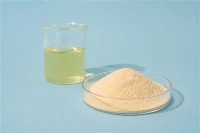

If you've ever spent time exploring amino acids in biochemistry or food science, you've probably come across serine-one of the 20 proteinogenic amino acids that acts as a building block for proteins, a key player in cellular metabolism, and a versatile ingredient across industries. As a serine supplier, I get asked this question all the time: Can serine react with other substances? The short answer is a resounding yes, and that reactivity is exactly why serine is such a valuable compound for everything from nutritional supplements to pharmaceutical formulations and food processing. Let's break down how serine interacts with other molecules, why those reactions matter, and how our team delivers high-quality serine products to support your specific applications.
First, let's start with the basics to ground the conversation. Serine is a non-essential amino acid, meaning our bodies can produce it on their own-but we also get it from certain foods, and it's widely manufactured for commercial use. Chemically, it's an alpha-amino acid with a hydroxyl group (-OH) attached to its side chain, a feature that sets it apart from other amino acids like glycine or L-Alanine. That hydroxyl group is the star when it comes to reactivity: it makes serine more polar than many other amino acids, allowing it to form hydrogen bonds, participate in condensation reactions, and act as both an acid and a base depending on the pH of its environment. This unique structure is why serine works so well in so many different chemical combinations, and it's the same structure we leverage when producing our high-purity serine for clients.
One of the most biologically important reactions involving serine is its role in synthesizing Phosphatidylserine (PS), a phospholipid critical for cell membrane structure and brain function. In living cells, serine reacts with cytidine diphosphate diacylglycerol (CDP-DAG) in a reaction catalyzed by the enzyme phosphatidylserine synthase. This reaction replaces the head group of CDP-DAG (usually inositol or ethanolamine) with serine, creating PS. For the nutritional supplement industry, this is a huge deal: PS supplements are used to support cognitive health, reduce exercise-induced stress, and improve memory. As a serine supplier, we work with supplement manufacturers to provide L-serine (the bioactive form of serine used in biological reactions) that's pure enough to meet the strict standards for PS production-no impurities that could disrupt enzymatic reactions or affect the final product's efficacy.
Serine also reacts with other amino acids in protein formation, of course. When ribosomes build proteins during translation, they link amino acids together via peptide bonds. Serine's amino group and carboxyl group are reactive sites that form these bonds with adjacent amino acids, including alanine, valine, and others. But beyond protein synthesis, serine's hydroxyl side chain makes it a common participant in post-translational modifications-chemical changes that happen after a protein is made. For example, serine residues can be phosphorylated (a reaction where a phosphate group is added) to regulate protein activity, a process critical for cell signaling, metabolism, and growth. In food applications, this same reactivity plays a role in Maillard browning, the chemical reaction that gives cooked foods their golden color and rich flavor. When serine (and other amino acids like lysine) reacts with reducing sugars during high-temperature cooking, it produces hundreds of flavor compounds-think the crust on bread, the browned edges of roasted meat, or the depth in a homemade sauce. That's why food processors often rely on serine, alongside other amino acids, to enhance flavor in low-sodium or natural food products, and why we supply food-grade serine for these exact purposes.
But serine's reactivity isn't limited to biological or food systems-it also interacts with a range of other organic compounds, including polysaccharides like HM Pectin. HM pectin is a common hydrocolloid used in jams, jellies, and beverages to create texture and gelling properties. When serine is mixed with HM pectin in acidic conditions, it can form electrostatic interactions and hydrogen bonds that modify the pectin's gelling behavior. This is a trick that food scientists use to create low-sugar jams or smooth, stable fruit beverages: adding serine can adjust the pectin's viscosity and reduce the need for extra sugar or synthetic thickeners. As a supplier, we've partnered with food tech startups to test this combination, helping them develop clean-label products that meet consumer demand for simpler ingredient lists. Our serine is sourced via natural fermentation (a process that aligns with clean-label trends) and is tested to ensure it doesn't introduce off-flavors when mixed with pectin, making it ideal for these kinds of formulations.
Another key reaction involving serine is its interaction with calcium-based compounds, specifically Natural Fermented Calcium Propionate, a common preservative used in baked goods and other foods to prevent mold and bacterial growth. When serine is combined with calcium propionate, the amino group of serine can form weak ionic bonds with the calcium ions in the propionate, altering the preservative's release rate in food products. This is a game-changer for bakeries, which often struggle with preservatives that can affect dough rising or bread texture. By adjusting the ratio of serine to calcium propionate, manufacturers can create a preservative system that is effective at extending shelf life without compromising the bread's taste or crumb structure. We've worked with several mid-sized bakery chains to refine these formulations, providing custom-batched serine that's calibrated for their exact baking processes. It's a small change, but it's one that reduces food waste and helps bakers meet their clean-label goals, which is why it's such an important application for our products.
Of course, like any chemical, serine's reactivity depends on its environment. It's stable in neutral or slightly acidic conditions, but at very high pH (strongly alkaline), its amino group can deprotonate, changing its charge and reactivity. Similarly, heat above 200°C can cause serine to decompose, producing ammonia and other byproducts. That's why when we supply serine, we provide detailed technical data sheets that note the conditions where serine is most stable and how it interacts with common ingredients in our clients' industries. We also test every batch of our serine for purity-no residual solvents, no foreign amino acids, to ensure that our clients get consistent results when mixing serine with other substances. Whether you're a supplement maker producing PS, a food lab developing a new gelled product, or a bakery tweaking your preservative system, having consistent, high-quality serine is non-negotiable for successful reactions.


I've been in the amino acid supply business for over a decade, and one thing I've learned is that clients often underestimate how versatile serine is. It's not just a building block for proteins-it's a reactant, a modifier, a flavor enhancer, and a performance booster across multiple sectors. But to get those benefits, you need a supplier that understands not just the chemistry of serine, but the specific needs of your industry. For example, supplement manufacturers need serine that's USP-grade to meet regulatory requirements; food processors need it to be GRAS-certified and free of allergens; and pharmaceutical clients need it to meet ICH guidelines for drug development. That's why our team doesn't just ship product-we work with you to understand your exact application, run small-scale trials if needed, and provide technical support to make sure your serine reacts exactly how you want it to.
At the end of the day, if you're working with serine and wondering how it will interact with other substances, the answer is almost always that it will react in meaningful, useful ways-you just need a supplier who can help you leverage that reactivity. Whether you're exploring a new application with L-Alanine, optimizing a PS formulation, testing a new texture with HM Pectin, or refining a preservative system with Natural Fermented Calcium Propionate, we're here to help. We've spent years perfecting our serine production process to ensure that it's pure, consistent, and reactive exactly when you need it. If you're ready to discuss your specific needs or request a sample, don't hesitate to reach out. We're eager to help you turn your ideas into products that work.
References
- Nelson, D. L., & Cox, M. M. (2021). Lehninger Principles of Biochemistry (8th ed.). W.H. Freeman and Company.
- Zhang, Y., et al. (2019). "Serine Metabolism in Health and Disease." Nature Reviews Molecular Cell Biology, 20(10), 609-625.
- Food and Agriculture Organization of the United Nations. (2020). "Amino Acids in Food Processing and Nutrition." FAO Food and Nutrition Paper, No. 94.
- American Chemical Society. (2018). "Chemical Reactivity of Alpha-Amino Acids in Complex Mixtures." Journal of Agricultural and Food Chemistry, 66(32), 8515-8527.
- International Council for Harmonisation of Technical Requirements for Pharmaceuticals for Human Use. (2022). "Q7 Good Manufacturing Practice Guide for Active Pharmaceutical Ingredients." ICH Harmonised Tripartite Guideline.