


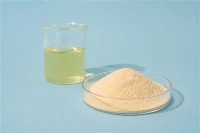

Pyrroloquinoline Quinone (PQQ) has emerged as a fascinating compound in the realm of nutritional science, garnering significant attention for its potential health benefits. As a leading supplier of Pyrroloquinoline Quinone, I am often asked about the recommended dosage of this remarkable substance. In this blog post, I will delve into the scientific research surrounding PQQ, explore the factors that influence dosage, and provide some general guidelines to help you determine the appropriate amount for your needs.
What is Pyrroloquinoline Quinone?
Pyrroloquinoline Quinone, also known as methoxatin, is a redox cofactor that was first discovered in bacteria in the 1970s. It is a water-soluble compound that is found in a variety of foods, including kiwifruit, spinach, green tea, and human milk. PQQ has been shown to have a wide range of biological activities, including antioxidant, anti-inflammatory, and neuroprotective effects. It has also been implicated in mitochondrial biogenesis, the process by which new mitochondria are formed in cells. Mitochondria are the powerhouses of the cell, responsible for producing energy in the form of ATP. By promoting mitochondrial biogenesis, PQQ may help to improve energy production, enhance cognitive function, and protect against age-related decline.
The Science Behind PQQ Dosage
Determining the optimal dosage of PQQ is a complex process that depends on several factors, including age, sex, health status, and the specific health goals you are trying to achieve. While there is no one-size-fits-all approach to PQQ dosage, there is a growing body of scientific research that can provide some guidance.
One of the key factors to consider when determining PQQ dosage is the bioavailability of the compound. Bioavailability refers to the extent to which a substance is absorbed and utilized by the body. PQQ has relatively low bioavailability, meaning that only a small percentage of the ingested dose is actually absorbed into the bloodstream. This is due in part to the fact that PQQ is rapidly metabolized and excreted from the body. As a result, higher doses of PQQ may be required to achieve the desired health effects.


Another important factor to consider is the potential side effects of PQQ. While PQQ is generally considered safe for most people, high doses may cause mild gastrointestinal symptoms, such as nausea, diarrhea, and abdominal pain. It is important to start with a low dose of PQQ and gradually increase it over time to minimize the risk of side effects.
General Guidelines for PQQ Dosage
Based on the available scientific research, the recommended dosage of PQQ for most adults is between 20 and 40 milligrams per day. This dosage range has been shown to be safe and effective for promoting mitochondrial biogenesis, improving cognitive function, and reducing oxidative stress. However, it is important to note that individual needs may vary, and some people may require higher or lower doses depending on their specific health goals and circumstances.
If you are new to taking PQQ, it is recommended that you start with a low dose of 10 milligrams per day and gradually increase it over time. This will allow your body to adjust to the compound and minimize the risk of side effects. It is also important to take PQQ with food to improve its bioavailability.
Factors That Influence PQQ Dosage
In addition to age, sex, and health status, there are several other factors that can influence the recommended dosage of PQQ. These include:
- Diet: Consuming a diet rich in PQQ-containing foods, such as kiwifruit, spinach, and green tea, can help to increase your intake of this compound. However, it may be difficult to obtain the recommended daily dosage of PQQ through diet alone, especially if you have a limited diet or are following a specific dietary restriction.
- Lifestyle: Certain lifestyle factors, such as smoking, alcohol consumption, and stress, can increase oxidative stress in the body and reduce the effectiveness of PQQ. If you engage in these behaviors, you may require a higher dose of PQQ to achieve the desired health effects.
- Medications: Some medications, such as antibiotics and certain antidepressants, can interact with PQQ and reduce its effectiveness. If you are taking any medications, it is important to consult with your healthcare provider before taking PQQ to ensure that it is safe and appropriate for you.
PQQ and Other Nutritional Supplements
PQQ can be taken alone or in combination with other nutritional supplements to enhance its effectiveness. Some of the supplements that are commonly used in combination with PQQ include:
- Serine: Serine is an amino acid that is involved in the synthesis of neurotransmitters and phospholipids. It has been shown to improve cognitive function and reduce oxidative stress in the brain. Combining PQQ with serine may help to enhance the neuroprotective effects of both compounds.
- HM Pectin: HM pectin is a type of soluble fiber that is found in fruits and vegetables. It has been shown to have a variety of health benefits, including reducing cholesterol levels, improving digestion, and enhancing immune function. Combining PQQ with HM pectin may help to improve the bioavailability of PQQ and enhance its overall health effects.
Conclusion
Pyrroloquinoline Quinone is a promising compound that has the potential to improve energy production, enhance cognitive function, and protect against age-related decline. While the optimal dosage of PQQ may vary depending on individual factors, the recommended dosage for most adults is between 20 and 40 milligrams per day. It is important to start with a low dose of PQQ and gradually increase it over time to minimize the risk of side effects. If you are interested in purchasing Pyrroloquinoline Quinone or have any questions about its dosage or usage, please feel free to contact us. We are a leading supplier of Pyrroloquinoline Quinone and other natural extracts, and we are committed to providing our customers with high-quality products and excellent customer service.
References
- Bender, D. A. (2003). Nutritional biochemistry of the vitamins. Cambridge University Press.
- Rucker, R. B., et al. (2013). Pyrroloquinoline quinone: an overview of the biology of a quinone nutrient. Annual review of nutrition, 33, 315-339.
- Stites, T. E., et al. (2015). Pyrroloquinoline quinone improves mitochondrial biogenesis and exercise performance in mice. PLoS one, 10(11), e0141882.